Clothing is, fundamentally, a basic human need: warmth and protection. It can even protect the body from cold and heat. However, fashion has influenced the way men and women dress. While fashion is the art of applying design, aesthetics, and natural beauty to clothing and its accessories, it has become a popular expression in different times, places, and personalities. Furthermore, fashion also plays an important role in expressing one's beliefs. Today, numerous women's clothing designers create extraordinary ways to promote their products.
1. Bold Colors and Eclectic Prints
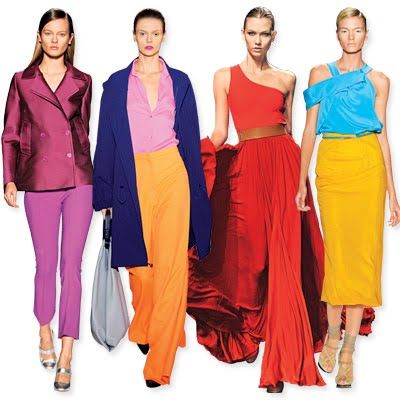
Bold colors are bright and eye-catching shades like red, yellow, or neon green. They make outfits stand out and show confidence.
Eclectic prints are fun and mixed patterns—like stripes with florals, polka dots with animal prints, or abstract designs. They don’t always match in a traditional way but create a creative, playful look.
When combined, bold colors and eclectic prints make fashion exciting, energetic, and full of personality. They’re perfect for people who want to express themselves and stand out from the crowd.
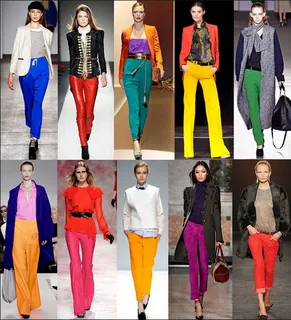
• Fashion is moving away from minimalism: find striking shades like electric blue, deep red, saffron yellow, and neon green, combined with pastel hues.
• Prints are cheerful and dynamic: think oversized floral prints, abstract patterns, geometric motifs, polka dots, gingham, checkered patterns, and sophisticated animal prints.
2. Oversized Silhouettes and Dressing
• Comfort meets fashion: flowy trousers, flowing midi skirts, and boxy blazers dominate the silhouette landscape. • Stylish tailoring also shines: structured shoulders, sculpted blazers, and architectural silhouettes add a stylish and confident touch.
3. Sustainability, Craftsmanship, and a Vintage Revival
• Sustainable fashion continues to gain ground: organic cotton, linen, bamboo fabrics, upcycling, and biodegradable materials are in high demand.
• In Pakistan, traditional crafts such as phulkari, Sindhi knitting, and Baluchi embroidery are being modernized into fusion garments, with structured hijabs, kaftans, and a modern, modest style.
• Overall, vintage styles—from '70s bohemian dresses to '90s slip dresses and Y2K crop tops—are making a comeback with contemporary twists.
4. Futuristic Fabrics and Tech-Powered Fashion
• Holographic and metallic fabrics add shine and boldness: think high-shine skirts, jackets, and statement accessories.
• Fashion meets functionality: smart textiles (wrinkle-resistant, stain-resistant, temperature-regulating), modular clothing (convertible panels, zip-off garments), and augmented reality fitting rooms are transforming the way we shop and wear clothes.
5. Maximalist Accessories and New Sportswear
• Accessories include bold, unapologetic oversized bags, chunky jewelry, sculptural footwear, and futuristic eyewear that define 2025 style.
• Athleisure is evolving into luxurious comfort: breathable, high-performance fabrics are combined with tailored cuts: think high-waisted leggings with blazers, tailored hoodies with structured skirts.
Conclusion:
Women’s fashion continues to evolve as a powerful expression of individuality, culture, and creativity. Beyond clothing, it reflects social change, empowerment, and innovation—shifting from traditional styles to modern, sustainable, and inclusive trends. Today, women’s fashion balances aesthetics with functionality, offering freedom of choice and the ability to define personal identity. Ultimately, fashion remains not only a mirror of society but also a driving force in shaping how women are seen and how they see themselves.