What is a Cleanser?
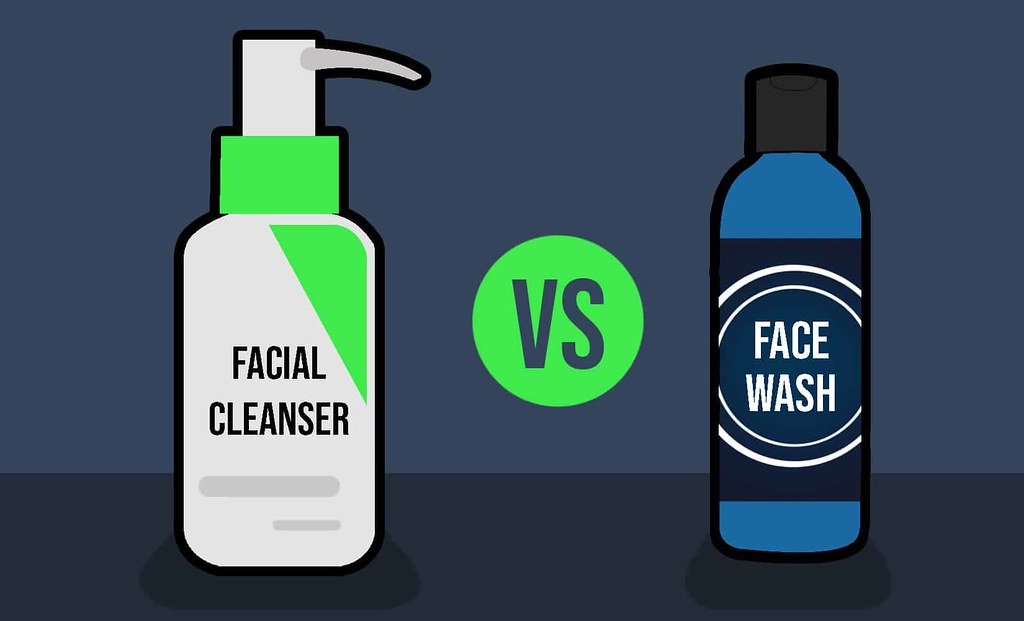
A cleanser is a skincare product that removes dirt, oil, makeup, and impurities without stripping the skin. It’s often gentler than a face wash and ideal for sensitive or dry skin types.
Types of acne cleansers:
- Gel Cleaners –heavy, inexpensive, and effective at removing excess oil.
- Cream Cleanser – Best for dry or irritated skin.
- Micellar Water – A wash-free option that’s easy to use.
- Oil Cleanse – Amazingly when acne is properly moisturized, it removes oil-burning.
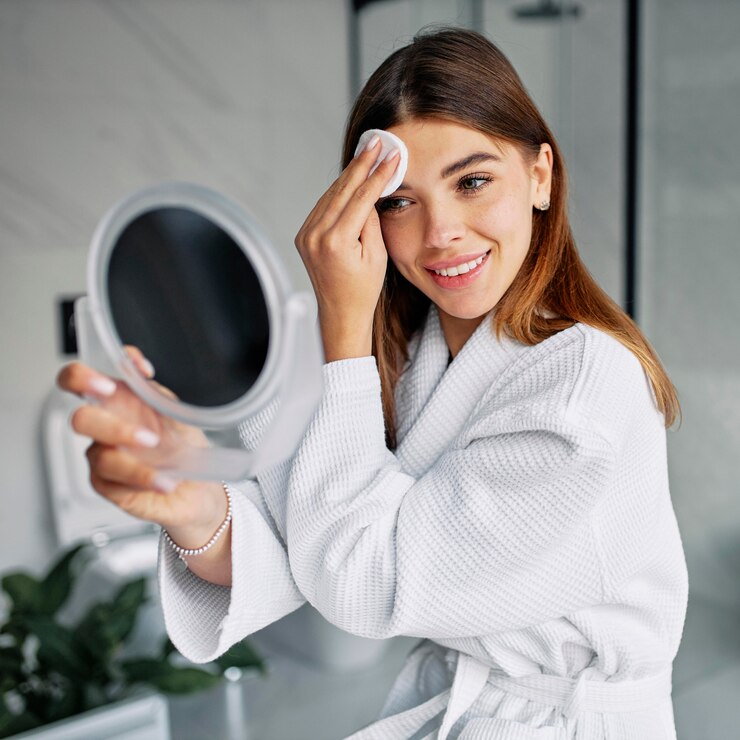
- When looking for the best cleanser for oily skin, choose a gel-based or foaming cleanser labeled as “non-comedogenic” and “oil-free.”
Why Do We Use a Cleanser?
We use the cleanser by the following ways.
- Throughout the day, dust, sweat, and oil collect on our skin.
- If not cleaned, it can cause pimples, dullness, or clogged pores.
- A cleanser helps keep your skin fresh, clean, and healthy.
Benefits of Using a Cleanser
- Removes dirt, oil, and sweat
- Prevents pimples and acne
- Keeps skin glowing and fresh
- Prepares your skin for moisturizer or other skincare products
What is a Face Wash?
A face wash is a foaming product that provides a deeper clean by targeting clogged pores and excess sebum, two major contributors to breakouts.
Types of Face Washes Commonly Used for Acne:
- Foaming Face Wash – Great for oily and acne prone skin.
- Medicated Face Wash – Contains active ingredients such as salicylic acid or benzoyl peroxide to treat and prevent breakouts.
- Exfoliating Face Washes – Often include ingredients like AHAs or BHAs to remove dead skin cells and unclog pores.
Acne Prone Skin Needed – What to Look For?
- Choosing between a cleanser and a face wash depends on your skin’s unique needs. If you have acne-prone skin, prioritize the following:
- Non-Comedogenic Formula – This will not clog pores or aggravate breakouts.
- pH-Balanced Products – Maintain the skin’s protective barrier to reduce irritation and dryness.
- Oil-Control Ingredients – Look for niacinamide, salicylic acid, or zinc to manage sebum without being too drying.
- Whether it’s a cleanser or a face wash, these ingredients are essential for supporting brighter skin.
Salicylic Acid
- Salicylic acid is a beta-hydroxy acid (BHA) that dives deep into the pores to dissolve excess sebum, dead skin cells, and debris, making it ideal for treating and preventing blackheads and whiteheads. Unlike physical exfoliants that can cause microtears, salicylic acid gently exfoliates on a chemical level without rubbing.
- It targets clogged pores without irritating the skin surface, especially at low concentrations (0.5–2%).
Niacinamide (Vitamin B3)
- Niacinamide is one of the most versatile skin care ingredients. It helps reduce inflammation, balance oil production, fade post-acne marks, and improve skin texture. It also strengthens the skin barrier, making it more resilient against environmental stressors and future breakouts.
Zinc PCA
- Zinc is a mineral known for its ability to regulate sebum production and soothe irritated skin. Combined with PCA (pyrrolidone carboxylic acid), it becomes bioavailable and kind to the skin.
- Zinc PCA also has anti-inflammatory properties that help reduce acne-causing bacteria.
- It naturally controls oil without over-drying the skin, making it ideal for oily or combination skin.
- Green Tea Extract
- Packed with polyphenols like EGCG (epigallocatechin gallate), green tea extract is a powerful antioxidant that fights inflammation, reduces redness, and protects the skin from free radical damage. It is especially helpful for calming active breakouts and preventing future ones.
- Green tea is naturally soothing and can reduce irritation caused by other active ingredients.
Aloe Vera
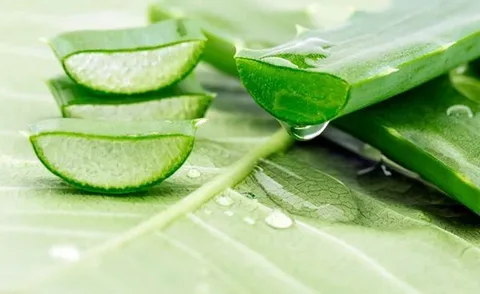
- Known for its cooling and soothing properties, aloe vera hydrates the skin without clogging pores. It helps heal acne scars, reduce redness, and increase skin moisture levels. Aloe vera is safe for all skin types and is often used to treat irritated, inflamed, or itchy skin, making it perfect for treating acne.
The final word: Which one should you use every day?
If you have acne-prone or oily skin, a facial cleanser with active ingredients like salicylic acid is often the best daily choice. However, if your skin is sensitive or inflamed, choosing a gentle cleanser for acne-prone skin can help reduce irritation while cleansing.
Use a facial cleanser if you have oily, blemish-prone skin.
Use a cleanser if your skin is dry, sensitive, or treated.
You can also try SEREKO's Vitamin C Clarifying Cleanser for dry skin and uneven skin tone. Its gel-to-foam formula cleanses deeply, gently, and effectively, while providing a brightening effect.
Consistency and ingredient selection are more important than the label: make sure your product is right for your skin's needs.